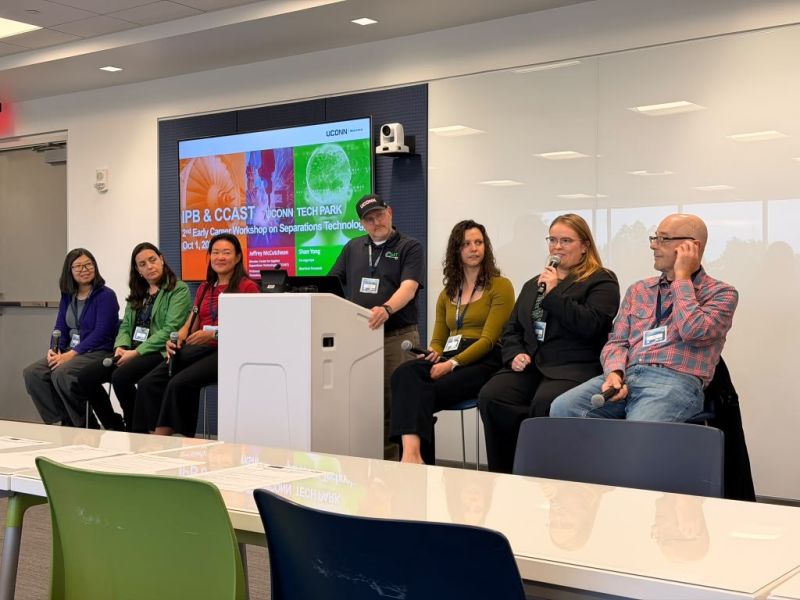
 From recovering critical materials to improving water treatment, separations technologies play an important role in addressing industrial and environmental challenges. At the 5th Industrial Workshop on Separations Technology, held October 1–2, 2026, at UConn Tech Park’s Innovation Partnership Building, researchers, industry leaders, startups, and investors came together to discuss emerging technologies and the challenges of bringing them to market.
Hosted by the University of Connecticut, the workshop drew 120 attendees from more than 70 companies and universities. The two-day program combined technical presentations with opportunities to exchange ideas, showcase research, and build connections across the separations technology community.
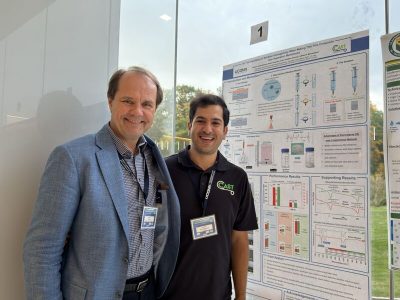 The event began with an early career workshop, followed by a networking reception featuring 20 student research posters and a startup pitch competition. Students from UConn, Yale University, MIT, Tufts University, and Clarkson University presented their work, while five startups pitched technologies addressing opportunities in water and critical materials. Hydron Desalination won the pitch competition, receiving a trophy and a cash award sponsored by Xylem.
Friday’s sessions explored applications across energy, industrial processing, critical materials recovery, desalination, water treatment, and water reuse. Presenters from organizations including PolyCera, SLB, Via Separations, ChemFinity Technologies, KMX Technologies, Xylem, Veolia, and NanoH2O shared developments ranging from advanced membranes to new approaches for recovering valuable resources.
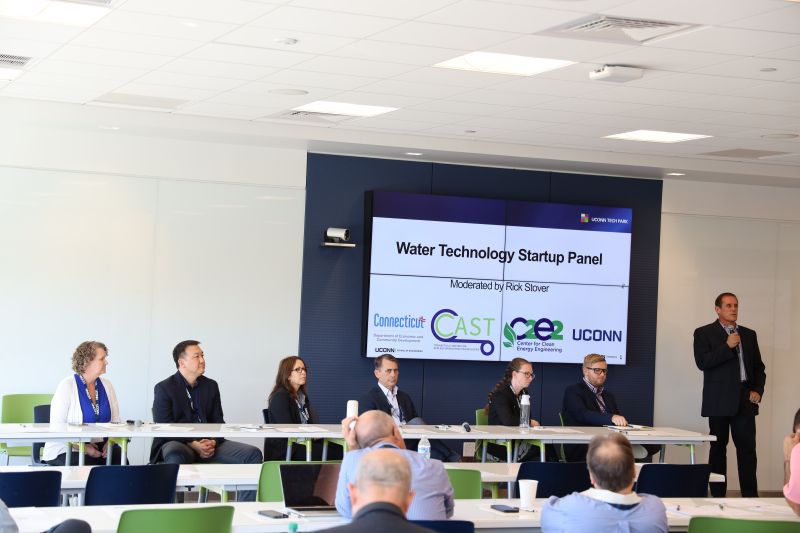
The program also looked beyond the technologies to consider what it takes to move innovations forward. Panels on water technology, critical materials and energy, and sustainable technology financing brought together representatives from startups, established companies, and investment organizations. Additional briefings highlighted initiatives from XPRIZE, the Advanced Research Projects Agency–Energy (ARPA-E), and the MEMBRANE Center led by the National Laboratory of the Rockies.
Attendees also toured the Connecticut Center for Applied Separations Technologies (CCAST) at the Innovation Partnership Building, gaining a closer look at the facilities supporting the center’s applied separations research.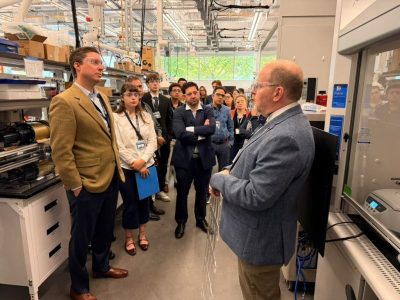
Throughout the workshop, discussions connected technical advances with the needs of the industries that could put them to use. Understanding those needs can help researchers and emerging companies identify opportunities for further development and more effective solutions.
By bringing together people working across research, industry, and investment, the annual workshop creates opportunities to share expertise, explore common challenges, and strengthen connections that can help move separations technologies toward practical application.
Interested in attending or participating in future workshops? Click here to join the mailing list.
 The Connecticut Center for Advanced Separations Technology (