IPB at UConn Tech Park

Separations Technology Workshop Connects Research with Real-World Challenges

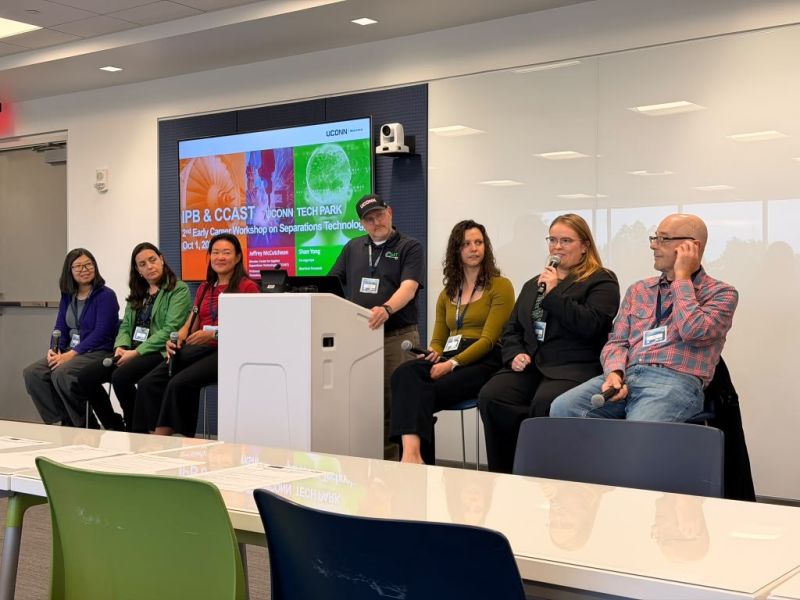
Six speaker panelists sitting at the front of a conference room.From recovering critical materials to improving water treatment, separations technologies play an important role in addressing industrial and environmental challenges. At the 5th Industrial Workshop on Separations Technology, held October 1–2, 2026, at UConn Tech Park’s Innovation Partnership Building, researchers, industry leaders, startups, and investors came together to discuss emerging technologies and the challenges of bringing them to market.

Hosted by the University of Connecticut, the workshop drew 120 attendees from more than 70 companies and universities. The two-day program combined technical presentations with opportunities to exchange ideas, showcase research, and build connections across the separations technology community.
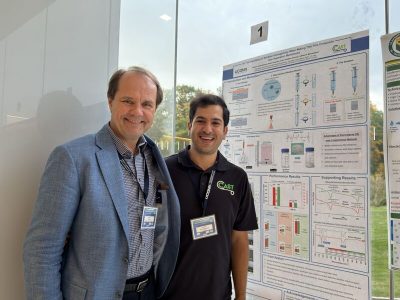
Two men standing in front of a poster session research poster.The event began with an early career workshop, followed by a networking reception featuring 20 student research posters and a startup pitch competition. Students from UConn, Yale University, MIT, Tufts University, and Clarkson University presented their work, while five startups pitched technologies addressing opportunities in water and critical materials. Hydron Desalination won the pitch competition, receiving a trophy and a cash award sponsored by Xylem.

Friday’s sessions explored applications across energy, industrial processing, critical materials recovery, desalination, water treatment, and water reuse. Presenters from organizations including PolyCera, SLB, Via Separations, ChemFinity Technologies, KMX Technologies, Xylem, Veolia, and NanoH2O shared developments ranging from advanced membranes to new approaches for recovering valuable resources.

The program also looked beyond the technologies to consider what it takes to move innovations forward. Panels on water technology, critical materials and energy, and sustainable technology financing brought together representatives from startups, established companies, and investment organizations. Additional briefings highlighted initiatives from XPRIZE, the Advanced Research Projects Agency–Energy (ARPA-E), and the MEMBRANE Center led by the National Laboratory of the Rockies.

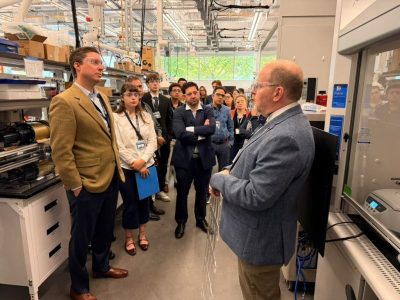
Attendees also toured the Connecticut Center for Applied Separations Technologies (CCAST) at the Innovation Partnership Building, gaining a closer look at the facilities supporting the center’s applied separations research.Professor Jeff McCutcheon speaks to a group of visitors in the CCAST lab at IPB.
Throughout the workshop, discussions connected technical advances with the needs of the industries that could put them to use. Understanding those needs can help researchers and emerging companies identify opportunities for further development and more effective solutions.

By bringing together people working across research, industry, and investment, the annual workshop creates opportunities to share expertise, explore common challenges, and strengthen connections that can help move separations technologies toward practical application.

Interested in attending or participating in future workshops? Click here to join the mailing list.
Leadership Horizons Workshop Empowers UConn Engineering Grad Students

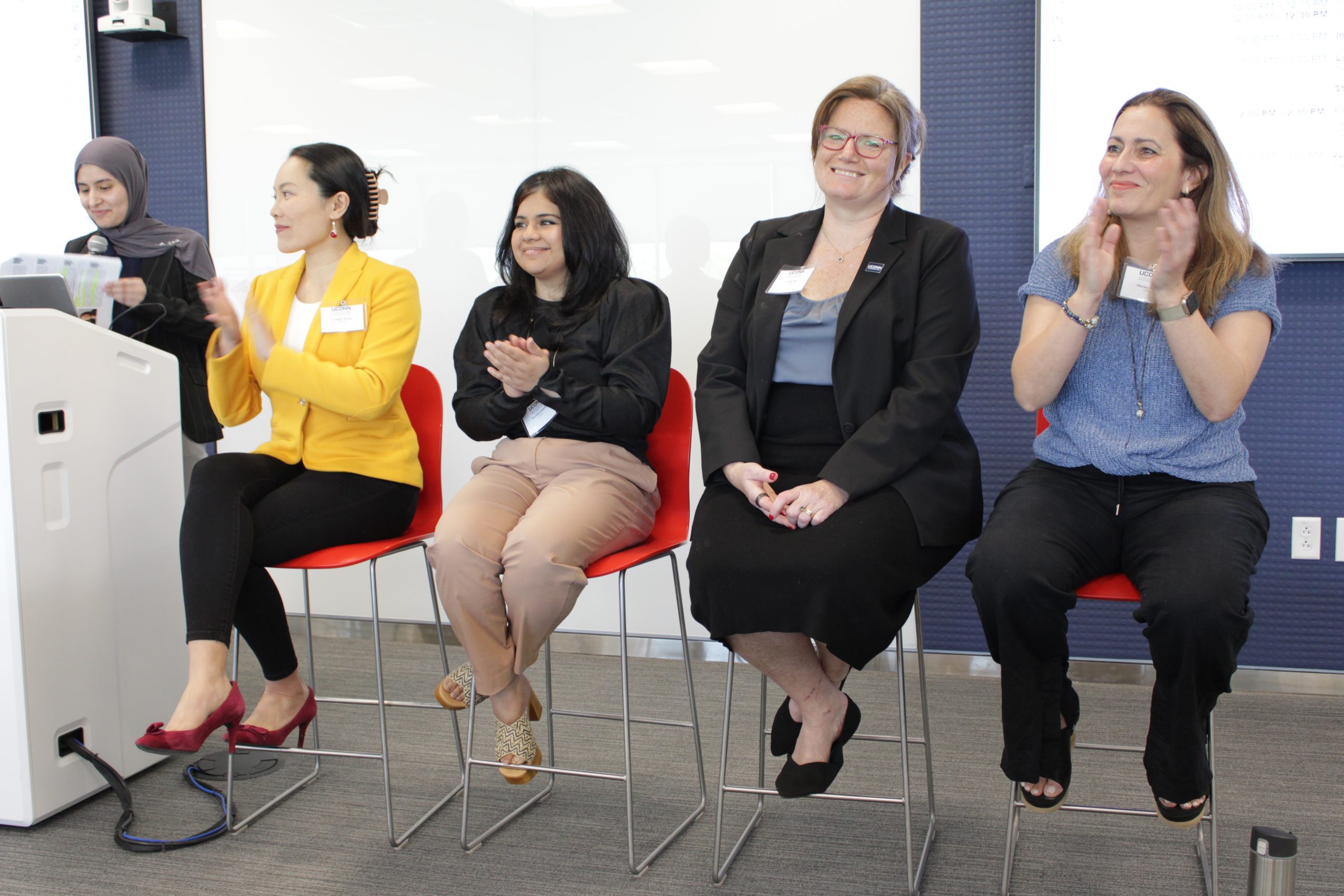
UConn Tech Park was pleased to host the Leadership Horizons: Exploring Paths Beyond Graduation leadership workshop from the UConn Engineering – John Lof Leadership Academy on May 13. The workshop was designed to educate graduate students from the UConn College of Engineering about leadership opportunities in various career sectors (industry, academia, and entrepreneurship).

Attendees heard from guest speakers from both industry and academia, who discussed the opportunities and hurdles students may face as they move forward in their careers. Thank you to all speakers for your invaluable expertise and guidance!

Exploring the Future of Digital Twins in Manufacturing

Group of scientistsOn November 12–13, 2024, UConn’s Pratt & Whitney Institute for Advanced Systems Engineering (PW-IASE) brought together researchers, industry leaders, and practitioners for the Workshop on Digital Twins for Manufacturing, held at the Innovation Partnership Building at UConn Tech Park. Hosted in collaboration with the U.S. Department of Energy (DoE) and the National Science Foundation (NSF), the event served as a global platform to explore the transformative potential of Digital Twin (DT) technologies in modern manufacturing.
Participants engaged in a dynamic exchange of ideas through keynote presentations, interactive panels, and collaborative working sessions. The workshop’s agenda was designed to address pressing challenges and opportunities in manufacturing, with a focus on the development and application of DTs—virtual models that mirror physical systems to optimize products, processes, and production throughout their lifecycle.

Digital Twin technologies are revolutionizing how manufacturers approach design, production, and maintenance. By enabling real-time data integration and predictive analytics, DTs support informed decision-making and proactive solutions, critical for industries navigating the complexities of modern supply chains and innovation demands. “As the manufacturing sector evolves, DTs provide critical tools for innovation, enabling real-time data integration, predictive analytics, and proactive decision-making,” noted Dr. George Bollas, associate dean of Research for UConn’s College of Engineering and director of PW-IASE.

The workshop tackled key themes, such as improving system efficiency, enhancing resilience, and leveraging DTs for sustainability in manufacturing. Notable speakers and panelists represented a wide array of expertise, from academic research to practical applications in aerospace, defense, and energy sectors. Participants worked toward actionable outcomes, including drafting a strategic roadmap to guide the future development of DT technologies and fostering collaborations across academia, industry, and government.

By hosting this event, UConn reaffirmed its position as a leader in advancing cutting-edge manufacturing technologies. The workshop highlighted Connecticut’s rich industrial heritage, particularly in aerospace, defense, and shipbuilding, while showcasing how innovations like DTs will shape the future of these sectors.

The Workshop on Digital Twins for Manufacturing not only provided a forum for sharing knowledge but also underscored the importance of interdisciplinary collaboration in driving technological progress. As digital twins continue to mature, they hold the promise of transforming manufacturing into a more agile, efficient, and sustainable industry.

Fostering Innovation at UConn: The Nursing and Engineering Innovation Center

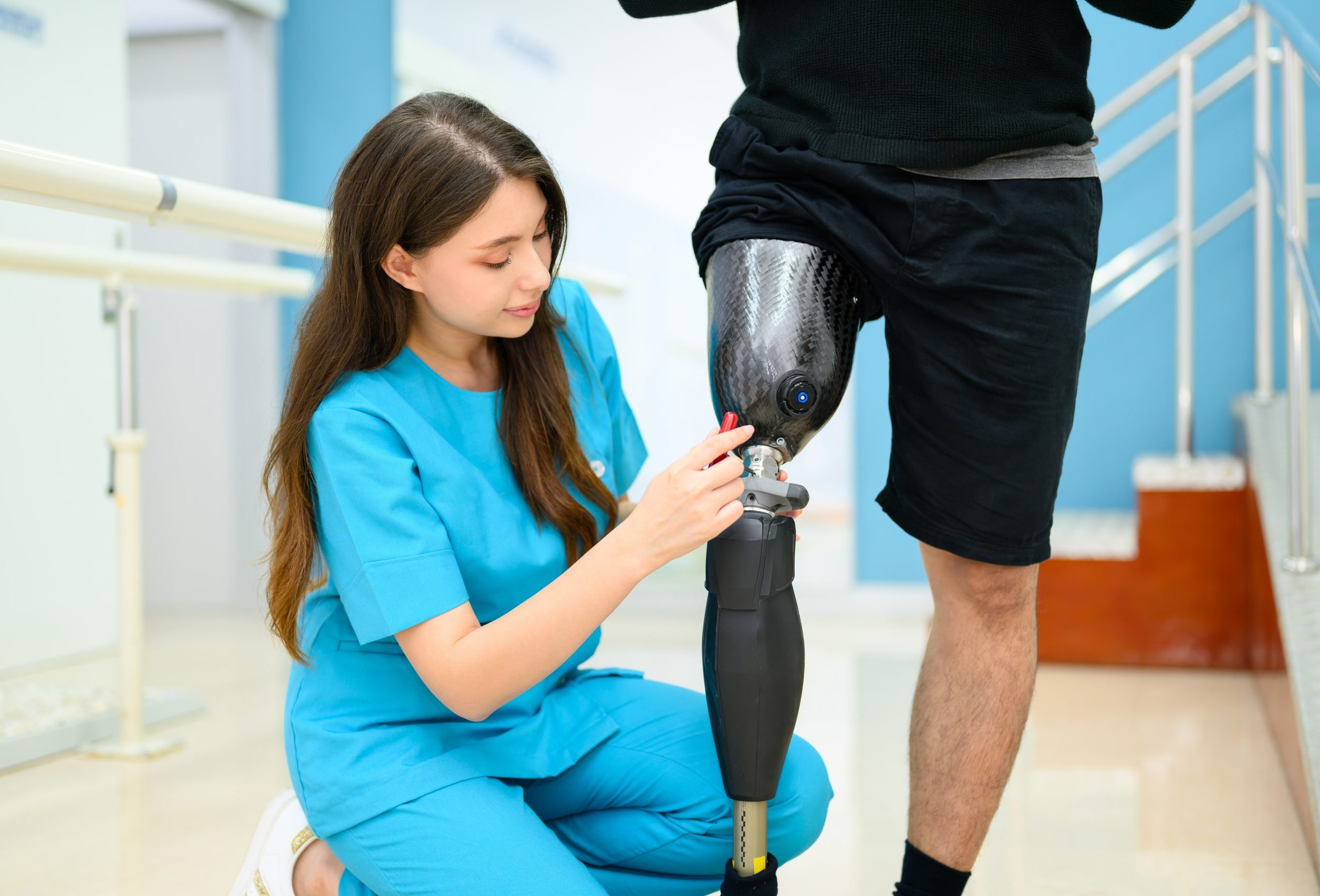
Physiotherapist adjusting prosthetic leg of patient in hospitalThe Nursing and Engineering Innovation Center at UConn Tech Park is spearheading transformative healthcare solutions through interdisciplinary collaboration. By uniting the expertise of the School of Nursing and the College of Engineering, the center aims to drive the creation and commercialization of evidence-based healthcare technologies.

One of the center’s notable initiatives was showcased during the Spring 2024 Technology Innovation and Entrepreneurship (TIE) course, led by co-Director Dr. Leila Daneshmandi and Professor Sam Nanayakkara. For the first time, the TIE courses included nursing students, emphasizing the center’s mission to integrate diverse fields for innovative outcomes. This collaboration resulted in student venture presentations including Green Grid Farms, Puppy Palace, Transplant Rescue, KLAD, eKardia, and Alevia Pharma OraSpray.

The final pitch day on April 22 highlighted these projects, judged by a panel of faculty, staff, and students professionals, including Engineering Associate Dean Leslie Shor and Nursing Visiting Professor and Nursing & Engineering Innovation Center co-director Tiffany Kelley. Dr. Daneshmandi commended the students for their dedication in building technology-enabled ventures aimed at driving significant change.

The event also featured presentations from young inventors in the K-12 space, courtesy of the Connecticut Invention Convention, and showcased top student ventures like ParticleN, Genesist, and Toribio Labs Zemi Platforms. These presentations underscored the continuous impact of the TIE courses and the broader entrepreneurial initiatives at UConn.

The Nursing and Engineering Innovation Center aims to foster healthcare, workforce, and economic development through research, education, community engagement, and technology transfer. By combining clinical nursing knowledge with engineering expertise, the center is poised to create healthcare technologies that address clinical unmet needs and improve healthcare quality. The involvement of registered nurses, the largest group of healthcare professionals, is pivotal in developing and evaluating new technologies.

The Nursing and Engineering Innovation Center, led by Tiffany Kelley and Leila Daneshmandi, exemplifies UConn’s dedication to interdisciplinary collaboration and innovation. For more information about the center’s initiatives visit the Nursing and Engineering Innovation Center website. To learn more about the TIE courses, visit the Entrepreneurship Hub (eHUB) website.