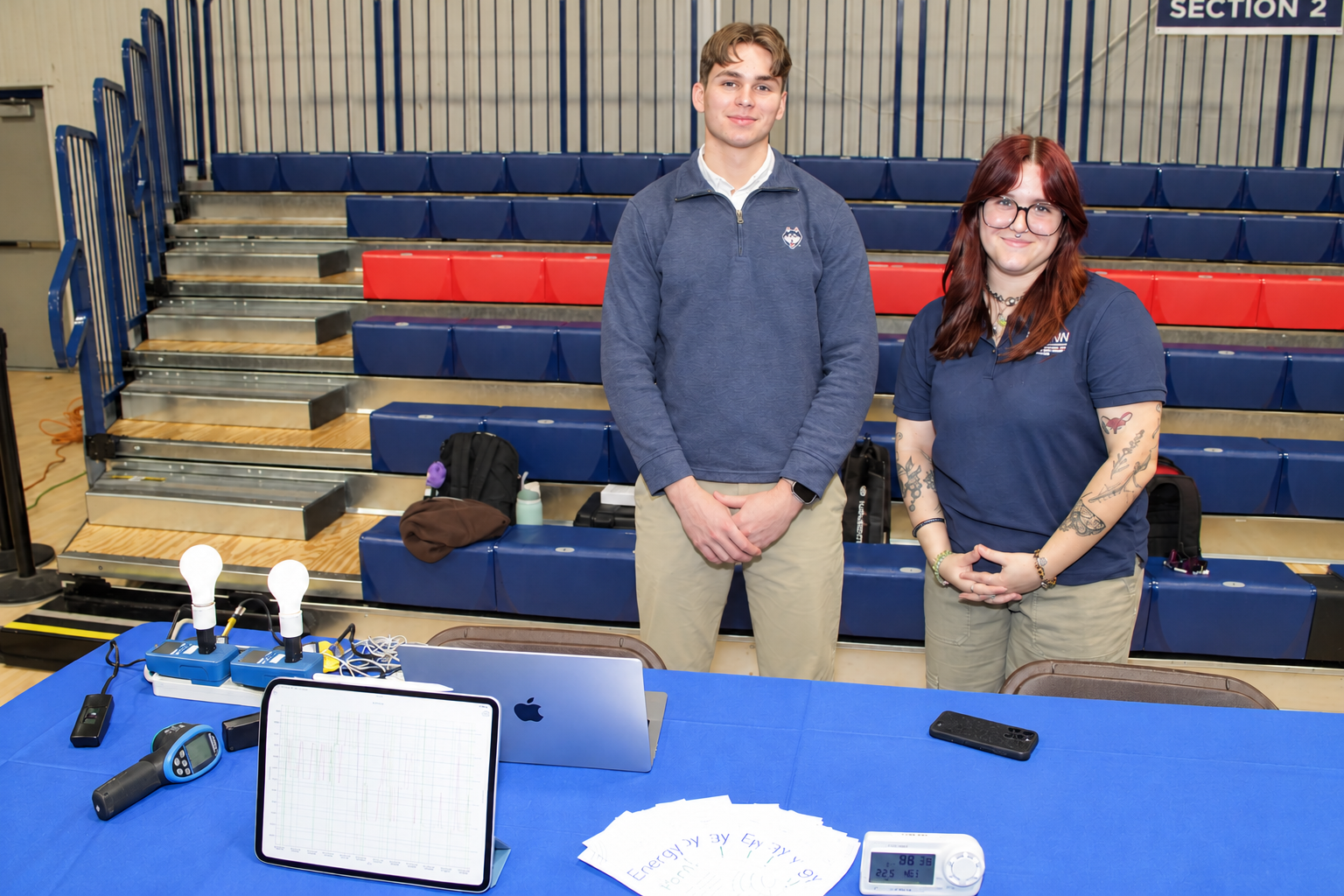
 How much can a light bulb teach us about energy use? At UConn Engineering’s 2026 STEM Family Field Day, the Southern New England Industrial Training and Assessment Center (ITAC) brought energy efficiency into the spotlight with its “Light Bulb Face-Off.”
Held October 4 at the UConn Volleyball Center, STEM Family Field Day invited families to explore engineering through interactive exhibits and hands-on activities. The event offered an opportunity to introduce younger learners to the science and engineering concepts that shape everyday life.
The Light Bulb Face-Off also reflected a practical challenge with real-world implications: understanding how lighting choices affect energy consumption. For manufacturers and other businesses, improving lighting efficiency can be one way to reduce electricity use and operating costs.
Based at UConn Tech Park’s Innovation Partnership Building, the ITAC connects engineering education with industrial applications. Funded by the U.S. Department of Energy, the center provides eligible small and medium-sized manufacturers with no-cost energy assessments to identify opportunities to improve efficiency, reduce waste, and strengthen productivity. Its faculty-and-student teams gain hands-on experience evaluating energy use and developing recommendations for real facilities.
By bringing energy efficiency into a family STEM event, ITAC helped connect a familiar technology with a broader engineering challenge: finding practical ways to use resources more efficiently. Activities like these can encourage curiosity about how everyday systems work—and how engineering knowledge can help solve problems at home, in industry, and throughout the community.


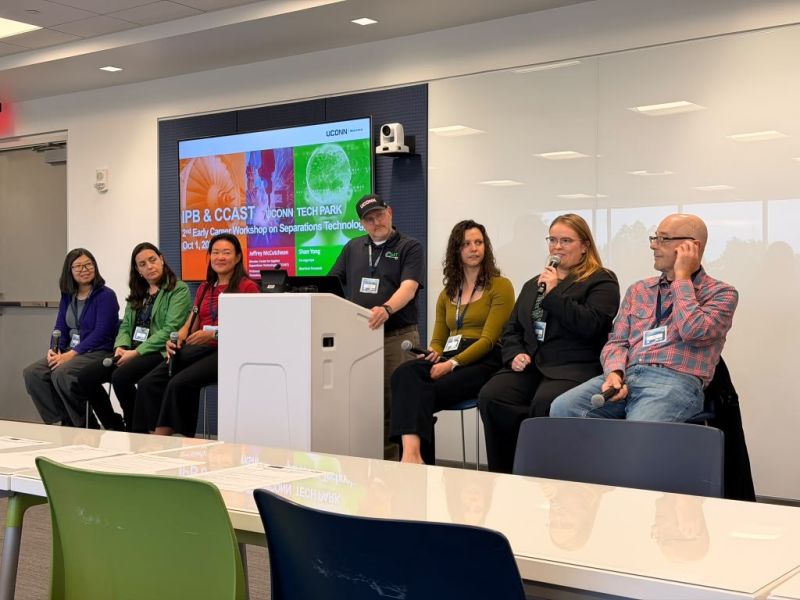
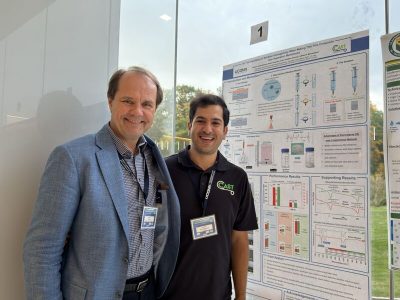
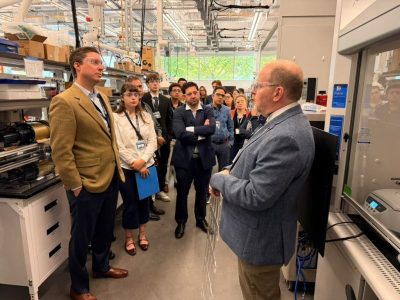
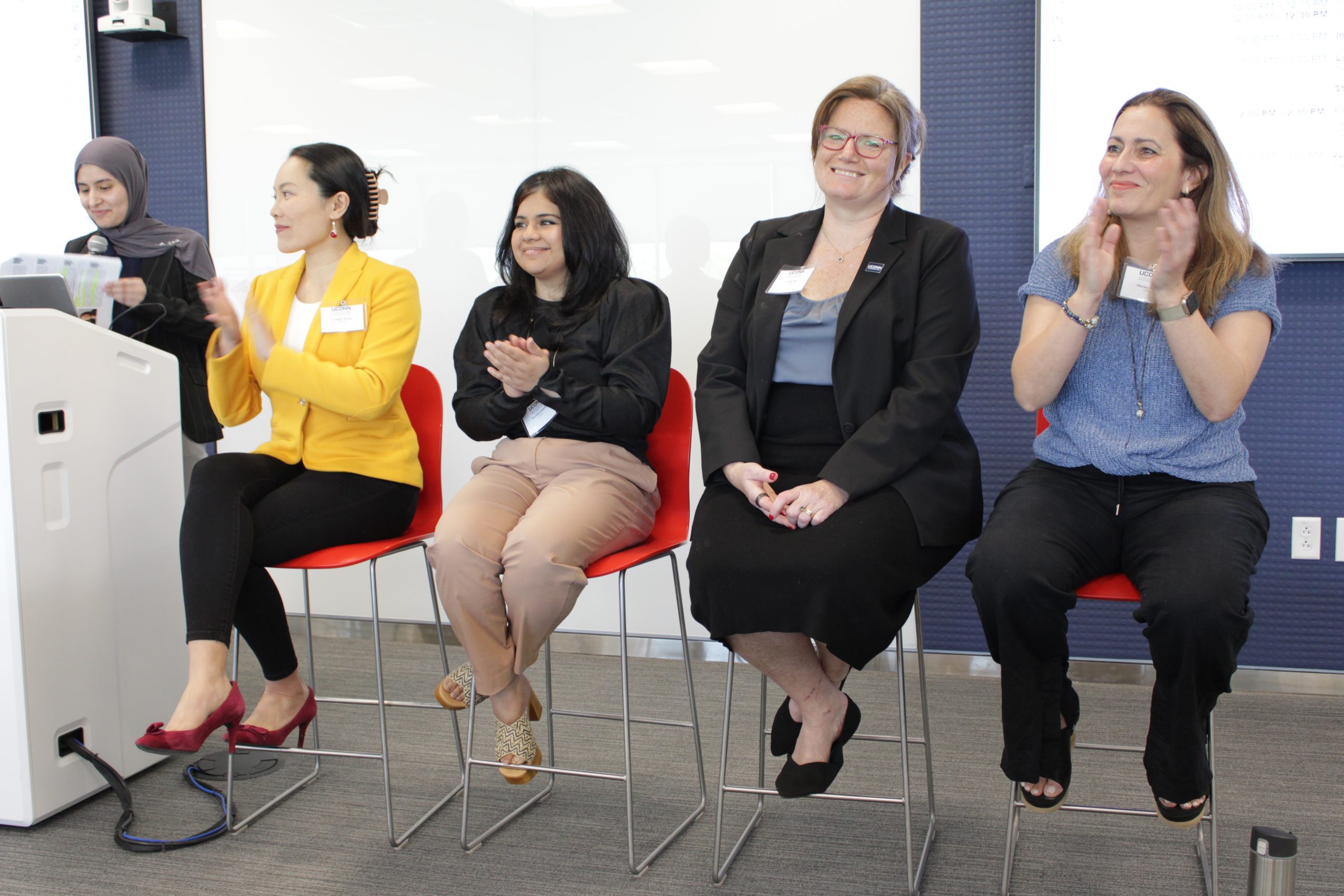
 On November 12–13, 2024, UConn’s Pratt & Whitney Institute for Advanced Systems Engineering (PW-IASE) brought together researchers, industry leaders, and practitioners for the Workshop on Digital Twins for Manufacturing, held at the Innovation Partnership Building at UConn Tech Park. Hosted in collaboration with the U.S. Department of Energy (DoE) and the National Science Foundation (NSF), the event served as a global platform to explore the transformative potential of Digital Twin (DT) technologies in modern manufacturing.